Leadership Versatility Index
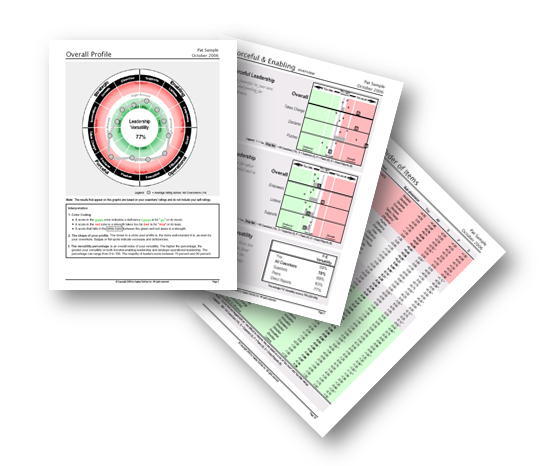
A patented 360-degree feedback survey addressed to TOP managers with a unique leadership model. It raises the awareness of the strengths overused and deficiencies, contributing to the development of leadership competencies.
The model that emphasizes on strengths had been widely used in organizations as the main drive for raising individual performance. Unfortunately, only focusing on developing a strength and ignoring the less positive aspects leads to an incomplete picture of the leader.
Versatility concept
It is about a full range of motion; able to freely use opposing approaches, unlimited by bias in favor of one and prejudice against the other. Versatility accounts for half of what separates the most highly regarded leaders from the least well regarded leaders.
Versatility is correlated with:
- Subordinate job satisfaction, commitment, engagement, & sense of empowerment
- Team morale, engagement, cohesion (in executing strategy)
- Variety of business process methods
- Team and business unit productivity
- Overall leadership effectiveness.
Benefits of using LVI:
- Lopsidedness awareness
- Objective feedback
- Straighten out crooked thinking
- Manage the overused strengths
- Understanding and overcoming the shortcomings.
What makes the LVI distinct?
- Rating Scale
- Leadership Model
- Research Support
- Development Model
- Follow-through Tools.
1. Rating Scale
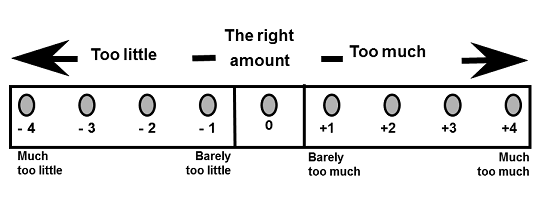
Scientific studies reveal that extreme strengths are the ones that give headaches to managers in organizations. We can talk about too much authority, too much delegation or too much attention to details – all these strengths are turning into weaknesses above a certain limit.
Most 360 instruments using a scale from 1 to 5 fails to capture these excessive behaviors. Therefore LVI uses a special behaviors assessment scale in order to capture the strengths overused as well as deficiency leadership behaviors manifested / developed.
2. Leadership Model
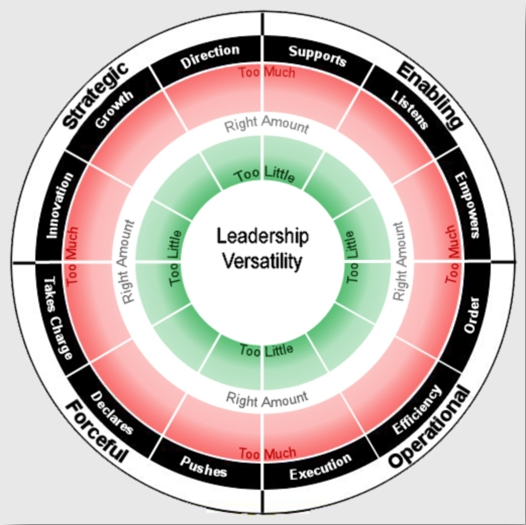
LVI uses a simple leadership model, empirically developed that has a high level of applicability. It‘s development is based on 2 opposed dimensions (Strategic vs. Operational and Forceful vs. Enabling), each one containing 3 sets of behaviors.
|
How You Lead
|
|
Forceful Leadership
|
Enabling Leadership
|
|
Taking the lead and driving for performance
- Takes charge
- Declares/decides
- Pushes
|
Creating conditions for others to contribute
- Empowers
- Listens/includes
- Supports
|
|
What You Lead
|
|
Strategic Leadership
|
Operational Leadership
|
|
Positioning the organization to be competitive in the future
- Direction
- Growth
- Innovation
|
Focusing the organization to get things done in the near term
- Execution
- Efficiency
- Order
|
3. Development Model
- Know your own strength
- Impact of mindset
- Throttling back
- Revving up
- Adjusting both sides
4. Follow-through Tools
- Brief, targeted
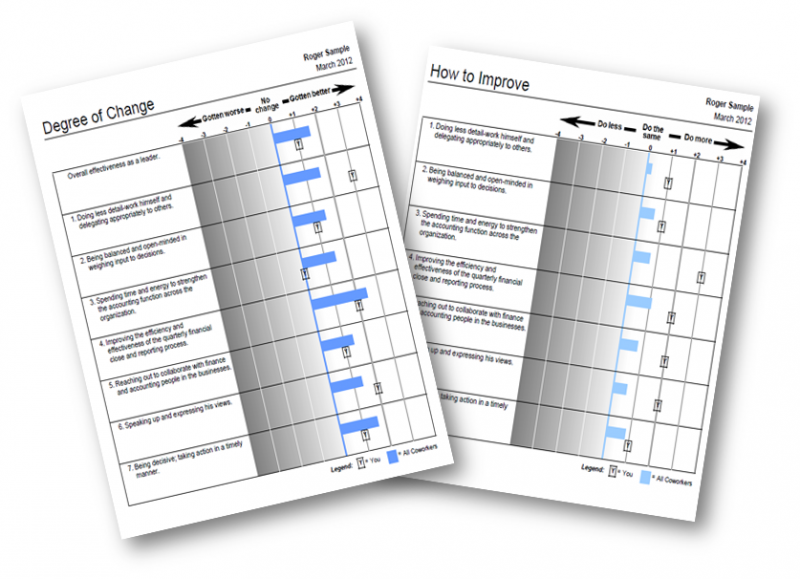
- Gauge progress so far
- Chart the way forward
For more details about LVI, please contact us.